Electrical/Electronic Engineering
he Department of Electrical and Electronic Engineering is one of the pioneering departments within the Faculty of Engineering. Its history dates back to its inception in 1973, and since then it has played a foundational role in technical education in Ghana. Initially, in 1999, the department was called the Radio, Television and Electronic Department and focused on offering Craft and Technician-level programmes that successfully shaped generations of skilled professionals
About the Department
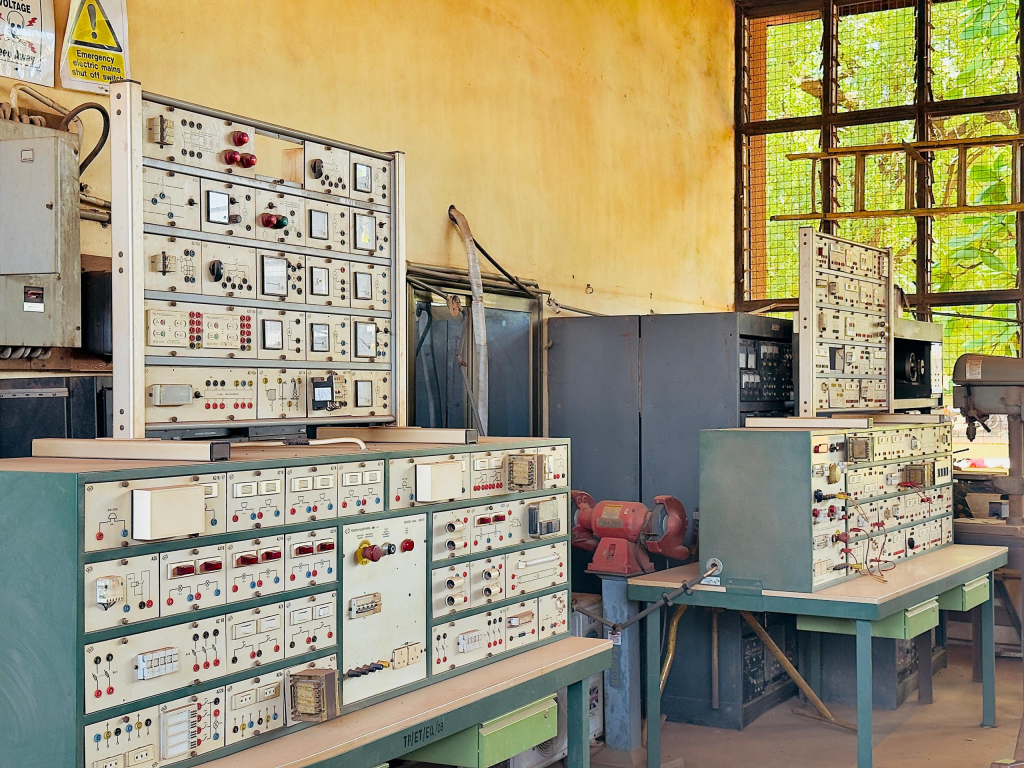
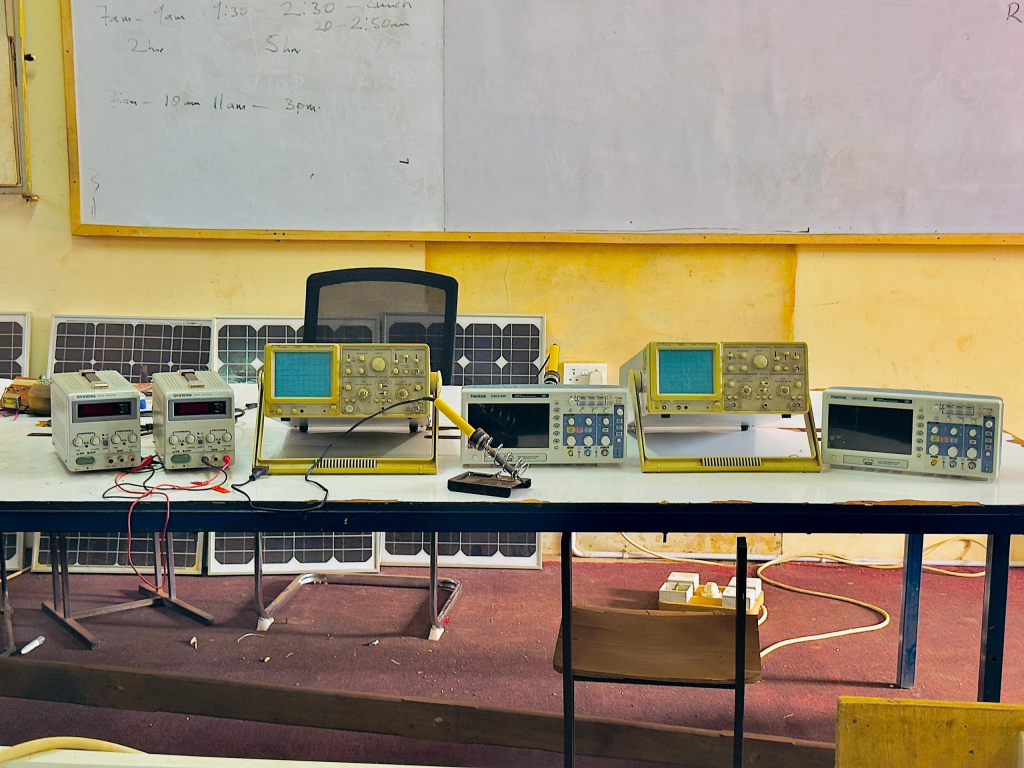
The Department of Electrical and Electronic Engineering is one of the pioneering departments within the Faculty of Engineering. Its history dates back to its inception in 1973, and since then it has played a foundational role in technical education in Ghana. Initially, in 1999, the department was called the Radio, Television and Electronic Department and focused on offering Craft and Technician-level programmes that successfully shaped generations of skilled professionals. In response to the increasing demand for highly trained electrical and electronic engineers, particularly in Northern Ghana, the department strategically expanded its academic programmes during the 2011/2012 academic year with the introduction of HND in Electrical/Electronic Engineering. This strategic move was aimed at bridging the skills gap and providing affordable, high-quality engineering education to aspiring professionals in the region. Furthering its commitment to advanced technical education, the department received accreditation in 2022 to run BTech in Electrical and Electronic Engineering. The programmes the department runs are carefully designed to equip students with a strong foundation in engineering principles, essential hands-on technical skills, and entrepreneurial mindset necessary for them to thrive and innovate within the rapidly evolving technological landscape
Our Mission
Our Vision
Core Values
- Innovation: We are committed to driving creative solutions and embracing new technologies. We encourage our students and faculty to explore novel ideas, develop cutting-edge solutions, and utilize emerging technologies to solve everyday challenges.
- Integrity: We uphold the highest ethical standards in all academic, research, and professional practices. Integrity is the foundation of our work, ensuring trust, accountability, and honest scholarship in everything we do.
- Excellence: We strive for the highest quality in every aspect of the department's operations, including teaching, research, and service delivery. Our programmes meet rigorous academic standards including accreditation, moderation, etc., and we continuously improve to deliver outstanding outcomes for our students and stakeholders.
- Collaboration: We actively foster strong partnerships with industry stakeholders, other academic institutions, and the community. This enriches our curriculum, facilitates practical learning and research, and creates job opportunities for our students.
- Empowerment: We focus on equipping students with the necessary technical skills, critical thinking abilities, and confidence. This enables them to become independent professionals who can lead, innovate, and start their own entrepreneurial ventures.
- Diploma of Technology (DTech), 2 Years
- Higher National Diploma (HND), 3 Years with options in:
- Bachelor of Technology (BTech), 4 Years with options in:
- Bachelor of Technology (BTech), 2 Year Top-Up for HND Graduates
- Bachelor of Technology (BTech), 3 Year Top-Up for DTech Graduates
- Volta River Authority – VRA.
- Electricity Company of Ghana – ECG
- Northern Electricity Distirbution Company – NEDco
- Ghana Grid Company Ltd - GRIDco
- NGOs Such As Respro, New Energy
- Metropolitan, Municipal & District Assemblies
- Communication Companies Such as Telecel, MTN, etc.
Department Leadership
Head of Department
Dr. Asakipaam, Simon Atuah
Dr
Ph.D
elecfoe@tatu.edu.gh
Programmes Offered
Academic Staff
Department Gallery